
SPARKLING
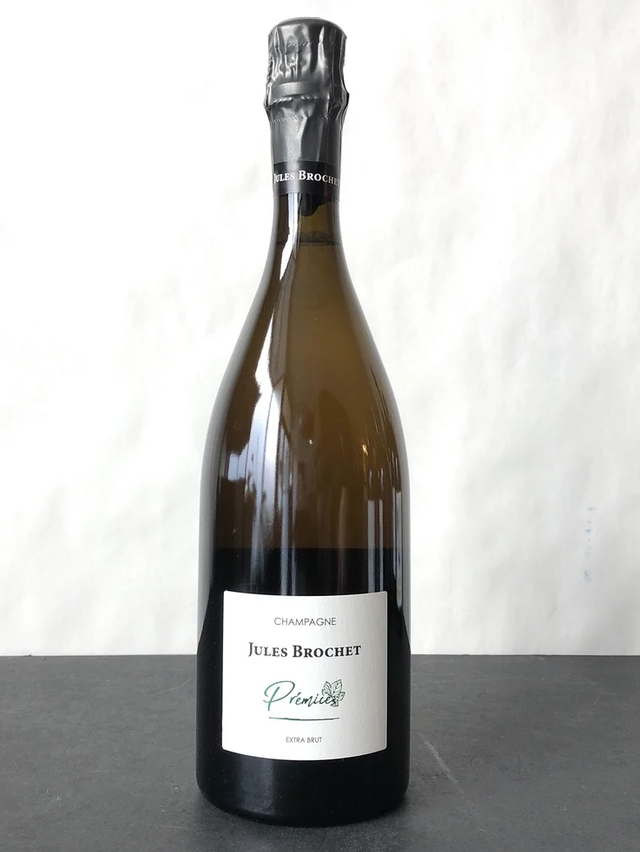
Jules Brochet 'Premice' Brut Nature, Champagne, FR NV $215
-
Brut Nature (no dosage).
Pure, mineral expression of Champagne.
Great for guests who like dry, food-focused wines.
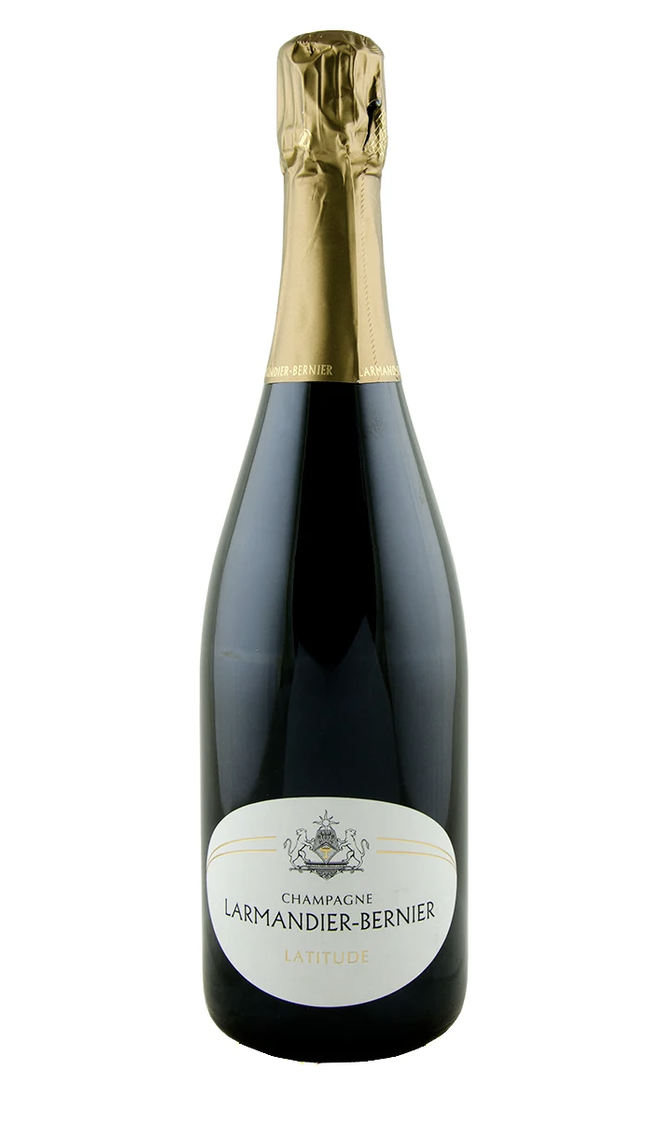
Larmandier-Bernier "Latitude" Blanc de Blancs Extra Brut - NV 1.5L $250
-
Entirely Chardonnay from vineyards to the south of Vertus which all have the same latitude. The rich soil in this area gives a round and generous sparkling white with aromas of citrus, stone fruits, honeycomb and fresh bread.
One of Champagne's benchmark grower producers.
Biodynamic farming and exceptional precision.
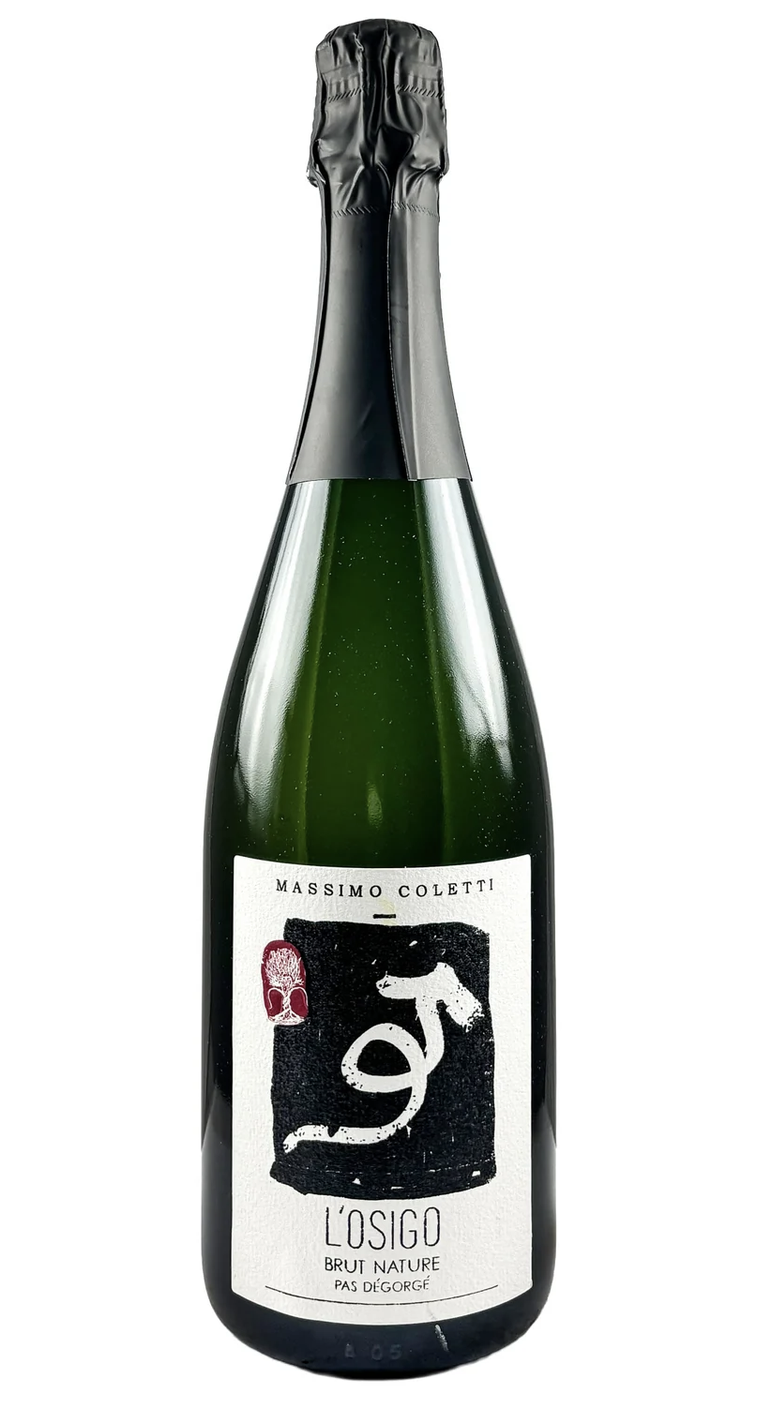
Massimo Coletti, L'Osigo Brut Nature, 2022, Veneto, Italy $100
-
Traditional method from Veneto instead of Prosecco.
Col Fondo, the older ancestral-method tradition tucked into the hills of Treviso, where the wine finishes its fermentation right in the bottle and is left undisgorged on its spent yeast for texture and savory depth. Massimo Coletti makes some of the most compelling examples going: though his family has farmed here for generations, he only started bottling under his own name in 2020, choosing a few hectares of the oldest vines and farming them organically. L'Osigo is his zero-dosage Brut Nature, a dry, mineral, faintly cloudy white sparkler drawn from a blend of indigenous Treviso grapes — roughly 50% Glera, 25% Verdiso and 25% Boschera. If Prosecco has ever felt too sweet or too simple, this is the drier, more serious answer.
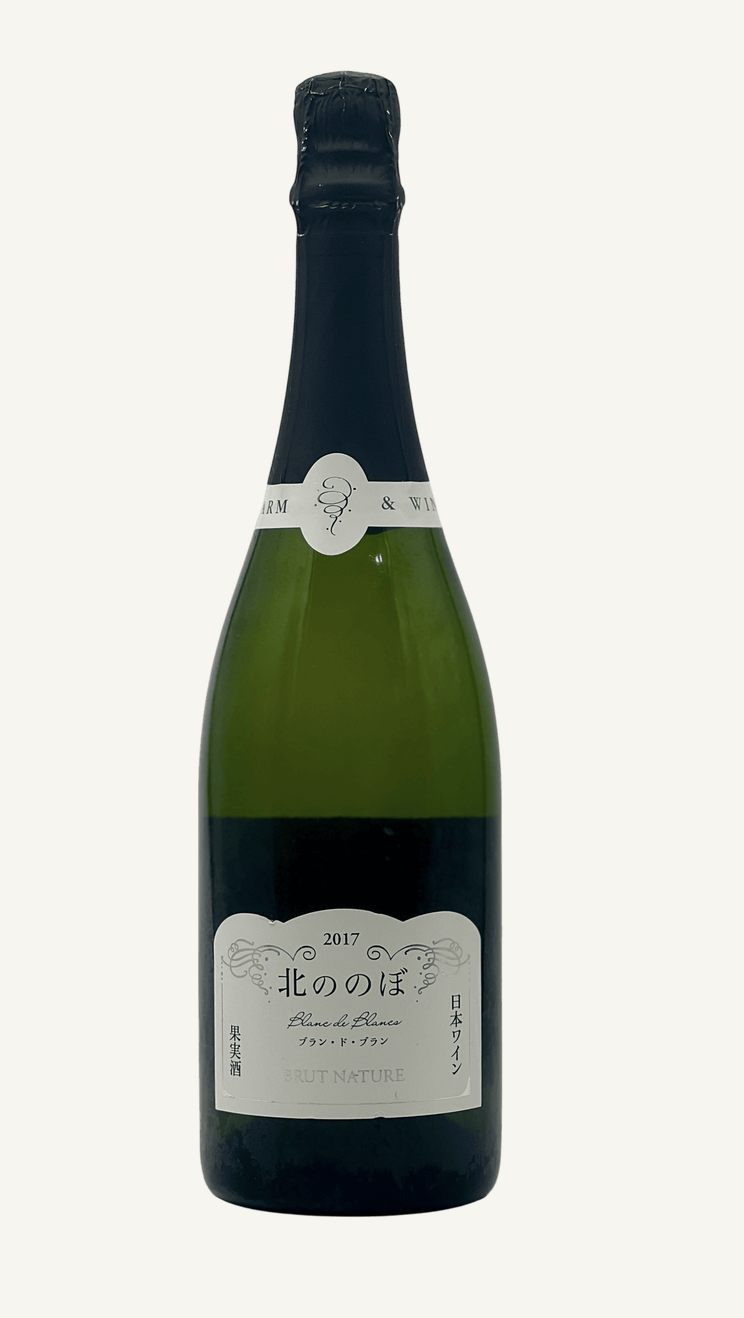
Coco Farm "Kita no NOVO" , Ashikaga, Tochigi, Japan $230
-
Kita no NOVO Blanc de Blancs is Coco Farm's flagship traditional-method sparkling wine, 100% Chardonnay drawn from estate plots in Ashikaga (Tochigi) and contract vineyards further north. The 2017 release is a brut bottling, fermented with native yeast and finished in the underground barrel cellar carved into the hillside above the winery. Coco Farm's slopes sit on Jurassic bedrock (clastic rocks, chert and basalt under shallow loam) at 50 to 200 meters, with 38-degree average vineyard inclines that demand every step be done by hand. The social mission of Kokoromi Gakuen, founded in 1969, runs through the operation, with residents working alongside permanent staff. 11.8% gives a low-alcohol, high-acid sparkling wine with a saline-citrus profile and the precision Coco Farm draws out of Japanese Chardonnay.
72 months on lees.
WHITE WINE
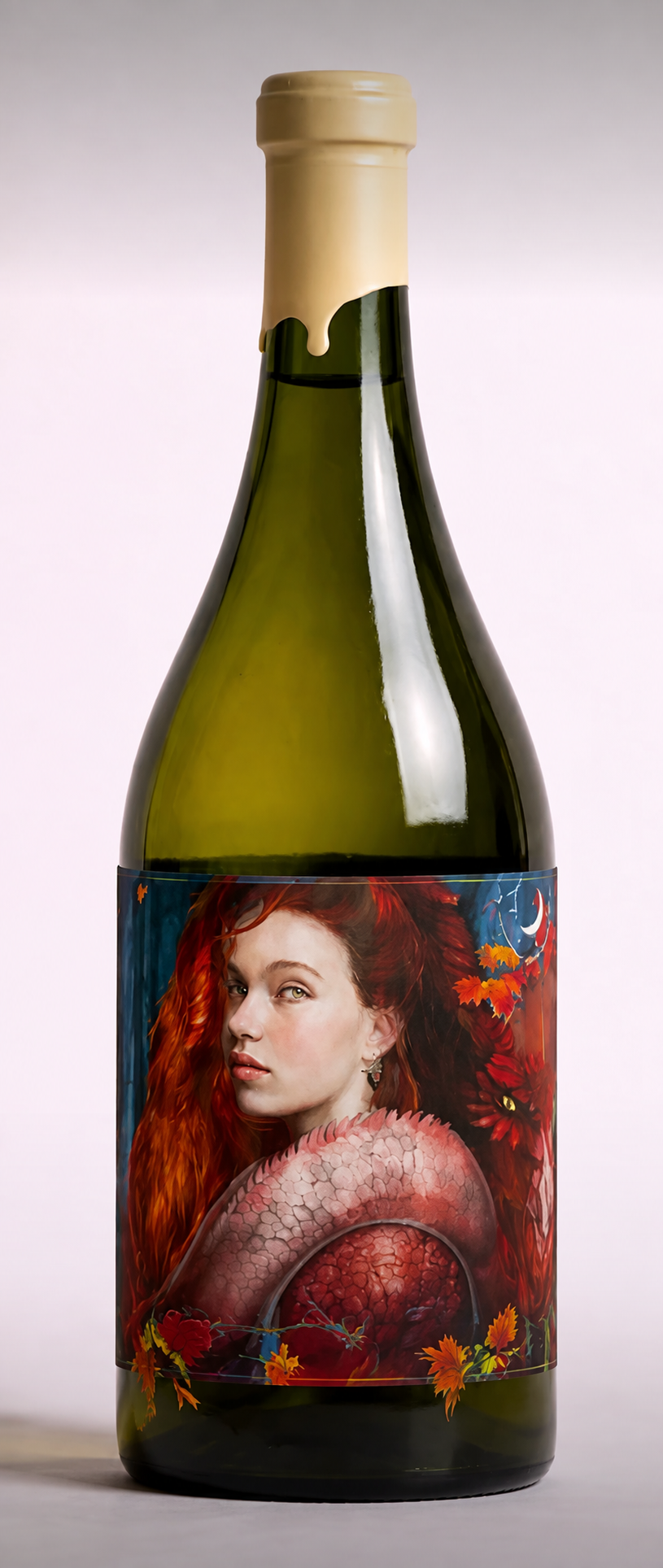
Paula Michelini "La Chica del Dragón" Pedro Giménez, Valle de Uco, Argentina ’24 $80
-
A really expressive Argentine white - floral and herbal, with pear and citrus, a little savory character, and a soft, textured finish.
Paula Michelini, one of the outstanding winemakers of the moment, feels that each of her wines is a manifestation of her vision.
She firmly believes that “respect for the land is one of the most beautiful values we can have as human beings,” allowing the wines to express themselves purely and sincerely.
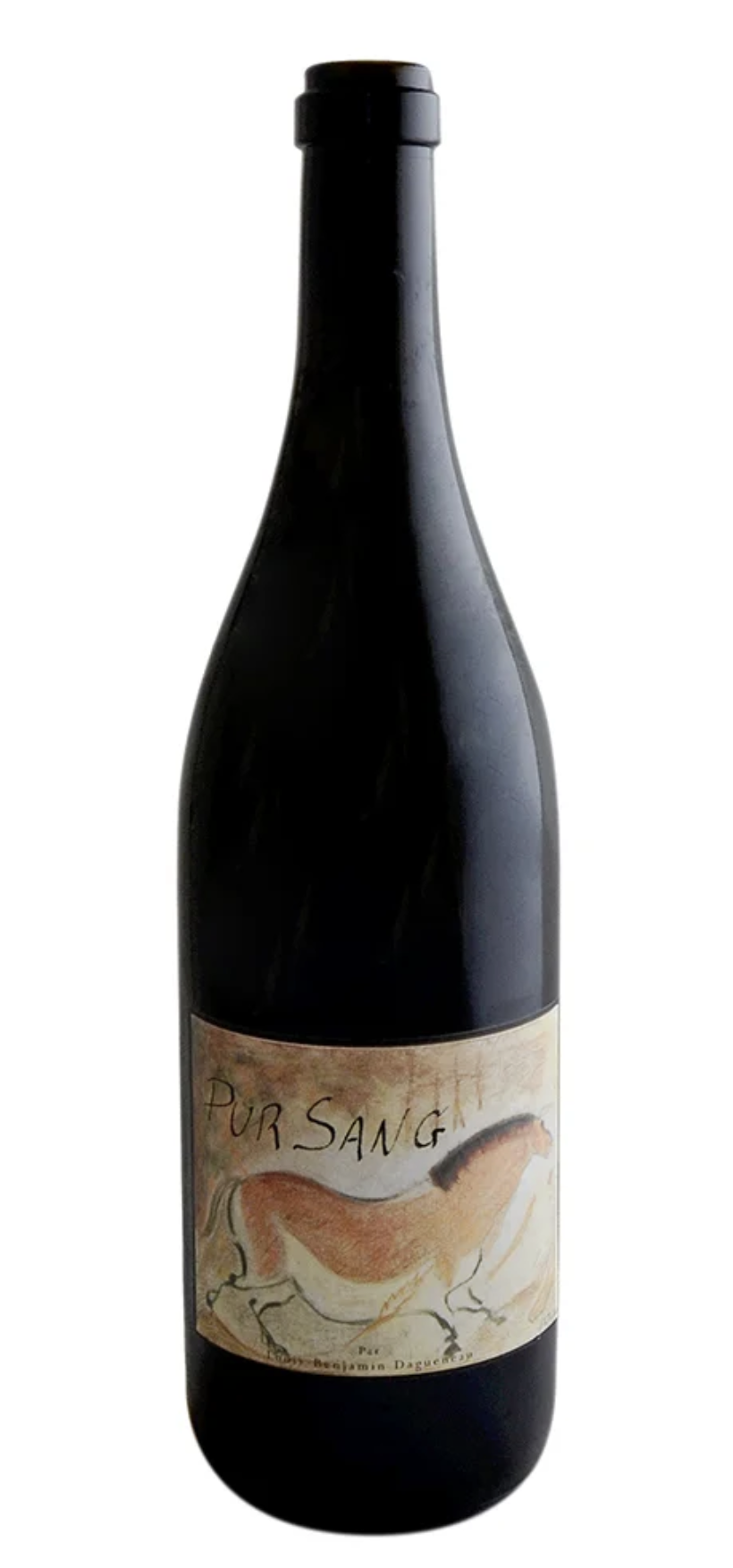
"Pur Sang" Blanc, Didier Dagueneau, Loire Valley, ‘23 $325
-
This is a barrel-fermented Sauvignon Blanc is the first vintage that son, Benjamin has released. The Pur Sang shines of brilliance, concentration and expression, with opulent mineral ripeness, due to the warm, dry vintage. Didier Dagueneau, the perfectionist iconoclastc, was succeeded by his son, Louis-Benjamin. Having accomplished 2 vintages already on his own, it is evident that he is following his father's methods to the note.
Sauvignon Blanc sometimes called "Fumé Blanc" in California
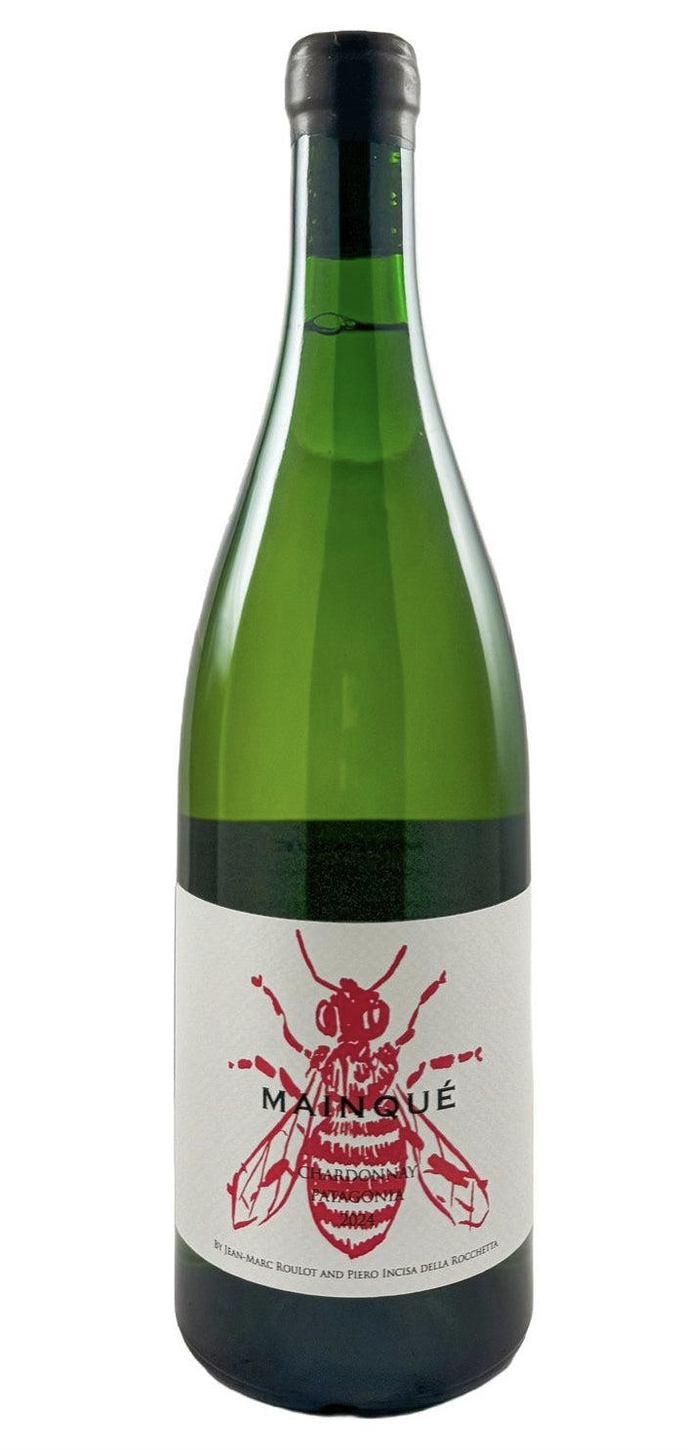
Chacra, Mainque Chardonnay, Alto Valle de Rio Negro, Patagonia, Argentina ‘24 $285
-
A desert in the middle of Patagonia is one of the last places you'd expect to find thrilling Chardonnay, and yet here we are. Piero Incisa della Rocchetta, of the family behind Sassicaia, farms his Rio Negro estate organically and biodynamically, and for the whites he collaborates with none other than Burgundy's Jean-Marc Roulot. The fruit comes off sandy, mineral-rich soils full of river rocks and limestone, and the wine sees a mix of concrete, steel, and seasoned French oak with no malolactic to preserve its cut. The result splits the difference between Old World restraint and New World brightness: precise, saline, and floral, with a mineral, almost iodine-tinged finish. Cool-climate Chardonnay from a genuinely singular place.
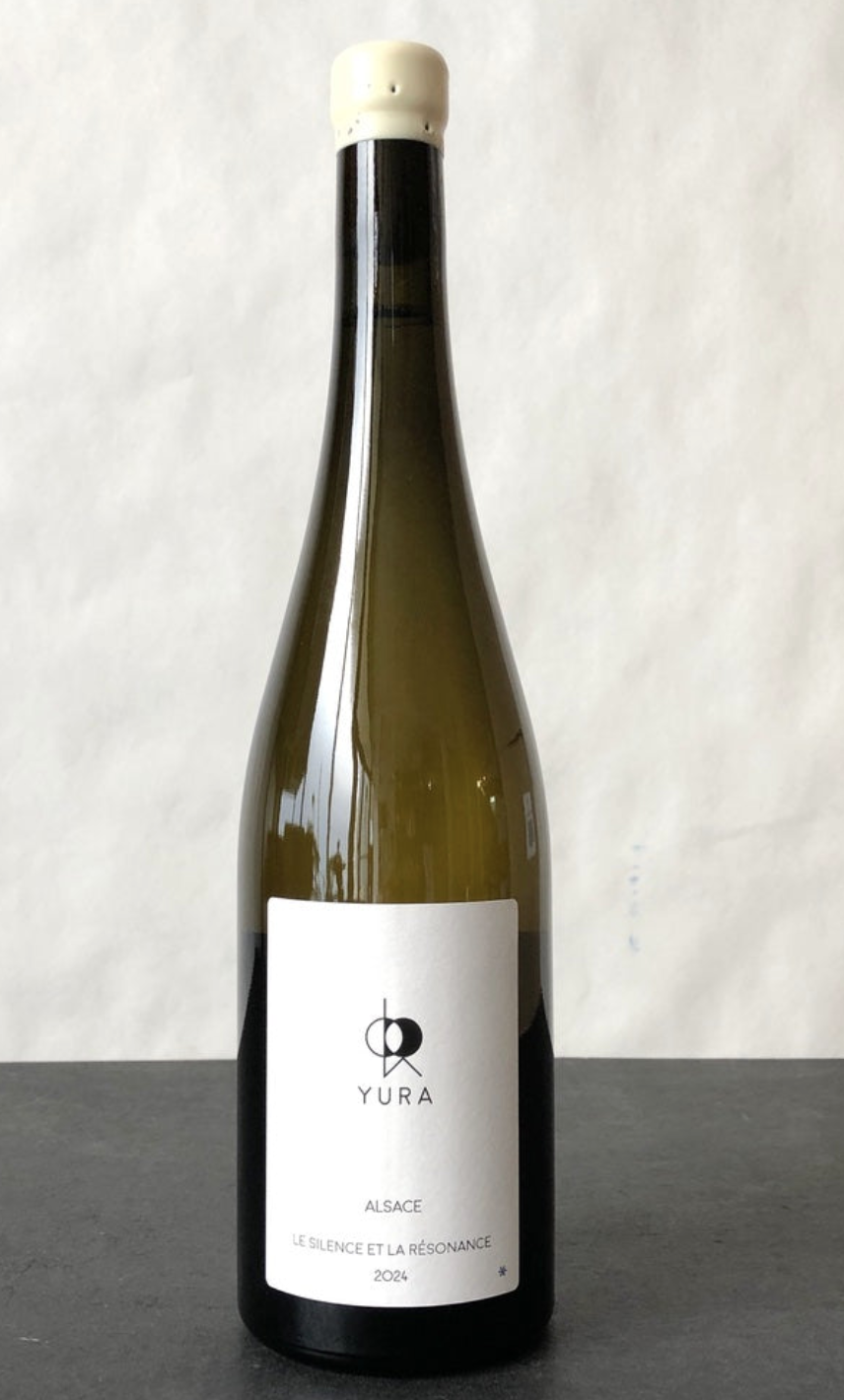
Jintaro Yura, ‘Le Silence Et La Résonance’ Riesling, Alsace ‘24 $150
-
100% Riesling of extraordinary complexity and evolutionary potential. Aging in steel, demi-muid and ceramic gives the wine an articulate structure and layered aromatic expression. Minerality, a direct expression of Gueberschwihr's granitic soils, gives depth and density to the sip, which together with lively acidity promises long aging.
A “sui generis” Riesling that will impress with its multifaceted and luminous character. Another absolute gem from Jintaro!
-
Jintaro Yura started his career in wine through restaurants. His passion grew further, and he had a feeling he just wanted to, and had to, make wine. he enrolled in Oenology school then spent time training in various parts of the world; Waipara New Zealand, Burgundy, and Yamanashi in Japan. Finally, he was drawn to Alsace in 2012 and spent time working with Domaine Josmeyer and Domaine Hurst, after spending time in Alsace he knew that is where he wanted to be. His career, like many of the other small young growers, started off with buying grapes from his friends and borrowing cellar space. Now, he makes just one wine, and he makes it count.
RED WINE
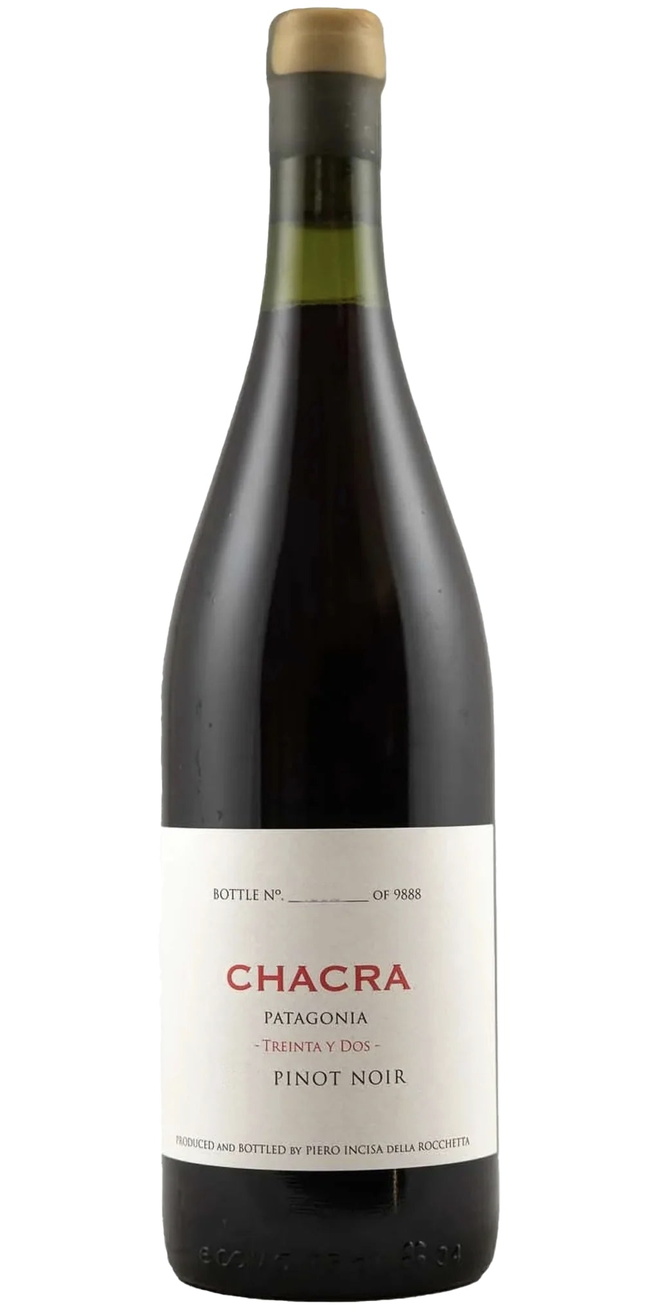
Bodega Chacra, 'Treinta y Dos 32' Pinot Noir, Patagonia, Argentina, ‘22 $300
-
A structured, earthy orange wine with notes of dried apricot, nuts, and minerality
-
Bodega Chacra is located in the Rio Negro Valley of northern Patagonia. The property’s location in the arid central Argentine desert is tempered by the confluence of the Neuquen and Limay Rivers, both of which flow from the Andes and converge in the Rio Negro, which in turn flows into the Atlantic. The climate is dry, with a maximum humidity of thirty percent and an average of seven inches of rainfall annually. This aridity, coupled with the natural barrier of the surrounding desert, results in a complete absence of phylloxera and vine diseases.
Chacra was created in 2004 by Piero Incisa della Rocchetta, whose grandfather started the legendary Sassicaia Winery in Tuscany. Pieros’ intention was to find the most unobstructed expression of the climate, micro-climate, and terroir of Mainqué in the Río Negro region of Patagonia. Respecting the environment by following biodynamic and organic principles, Piero strives to make wines that are transparent, pure, delicate, and floral with a strong minerality.
In Patagonia, a “chacra” is a special piece of land separated by canals that bring snowmelt from the Andes and make the Patagonian desert fertile. At the same time, chacras are vital energy centers that provide us with the ability to connect with the whole universe, with everything living and vibrating. In its nourishment, in the marriage with every meal, wine is the companion of pleasure and sensitivity. Wine is intimate and touches all our senses. Chacra aims to enhance that connection. Respecting and enhancing the community of Chacra is of the utmost importance.
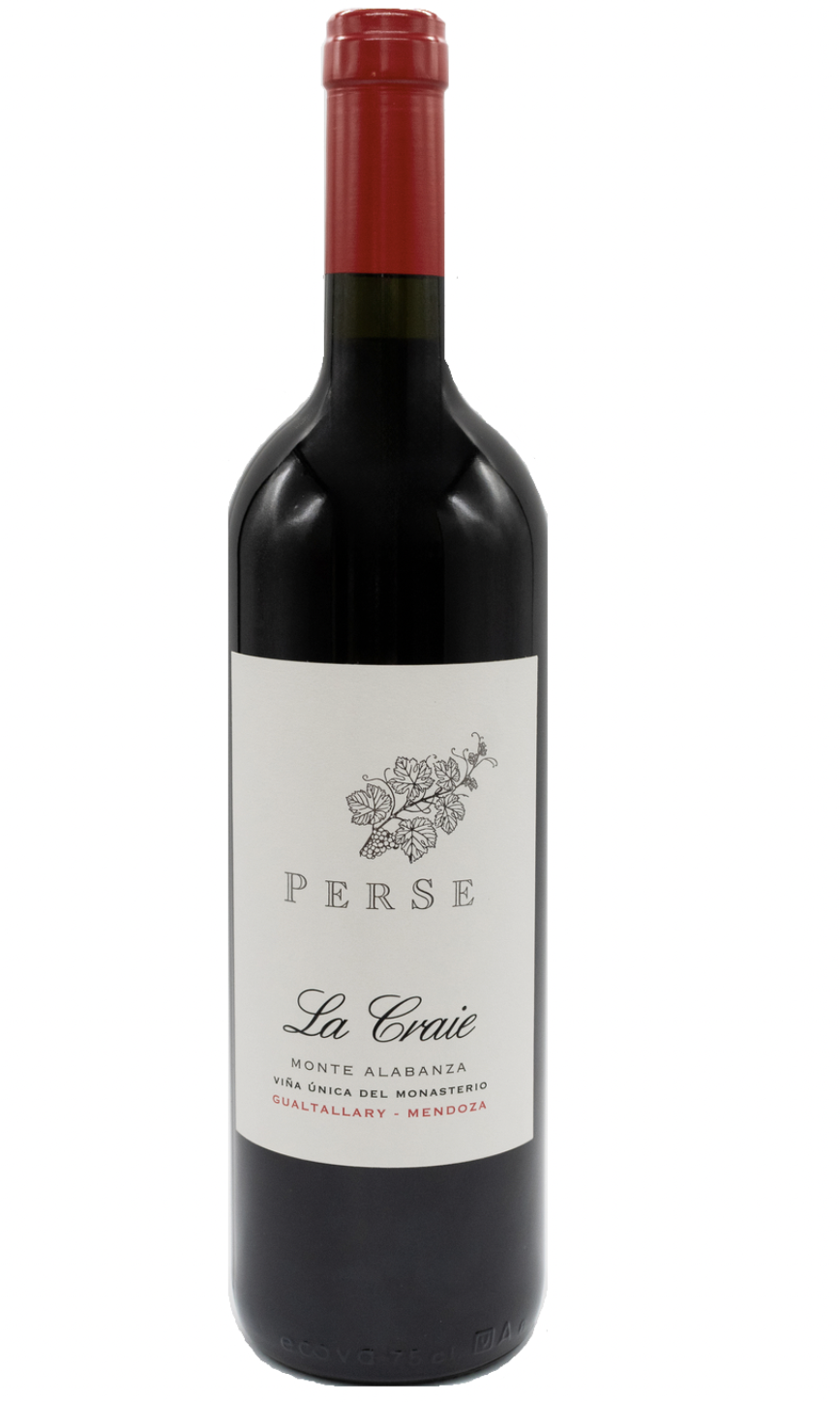
PerSe 'La Craie' Gualtallary, Argentina ‘21
$600
-
Roughly 80% Malbec & 20% Cabernet Franc
Sourced from the La Craie block which runs from West to East, almost the entire vineyard, and has 100% southern exposure on the hill of the Monastery
Calcareous soils
It opens with the most expressive, lifted and multidimensional bouquet of the Per Se roster, combining savory, floral, herbal and stony aromas with ever-increasing complexity and volume. The palate is a delicious and compelling combination of density, tenacity and elegance, seamlessly releasing into a long, juicy and layered finish that slowly morphs into a crystalline expression of mineral-driven power and ultra-refined tannins
Natural co-fermentation in 500L vats of all de-stemmed fruit with gentle daily foot stomping
Left on the skins for 40 days
Aged in neutral French oak barrels for 16 months
Bottled without fining or filtering
-
David Bonomi, Edgrado del Popolo, and his son Santiago founded Per Se Wines in 2012 with the intention of making pure mountain wines. They planted vines on land they farm in conjunction with the Monks of the Monasterio del Cristo Orante. The Monasterio zone of Gualtallary is located in the northwest corner of Mendoza’s Uco Valley at approximately 1500 meters elevation. The soils are comprised of intense white chalk and decomposed granite and their climate is one of the coolest wine growing regions in Argentina. The land is farmed organically (not certified) and each plot has particularly unique qualities. All vines are head trained and most are planted at less than 0.5 hectares per parcel, at different densities, from 2,300 – 7,300 plants per hectare. The PerSe wines are made in tiny amounts with the smallest wine coming from just 312 vines. They vinify with native yeasts and minimal intervention in the winery and the vineyard.
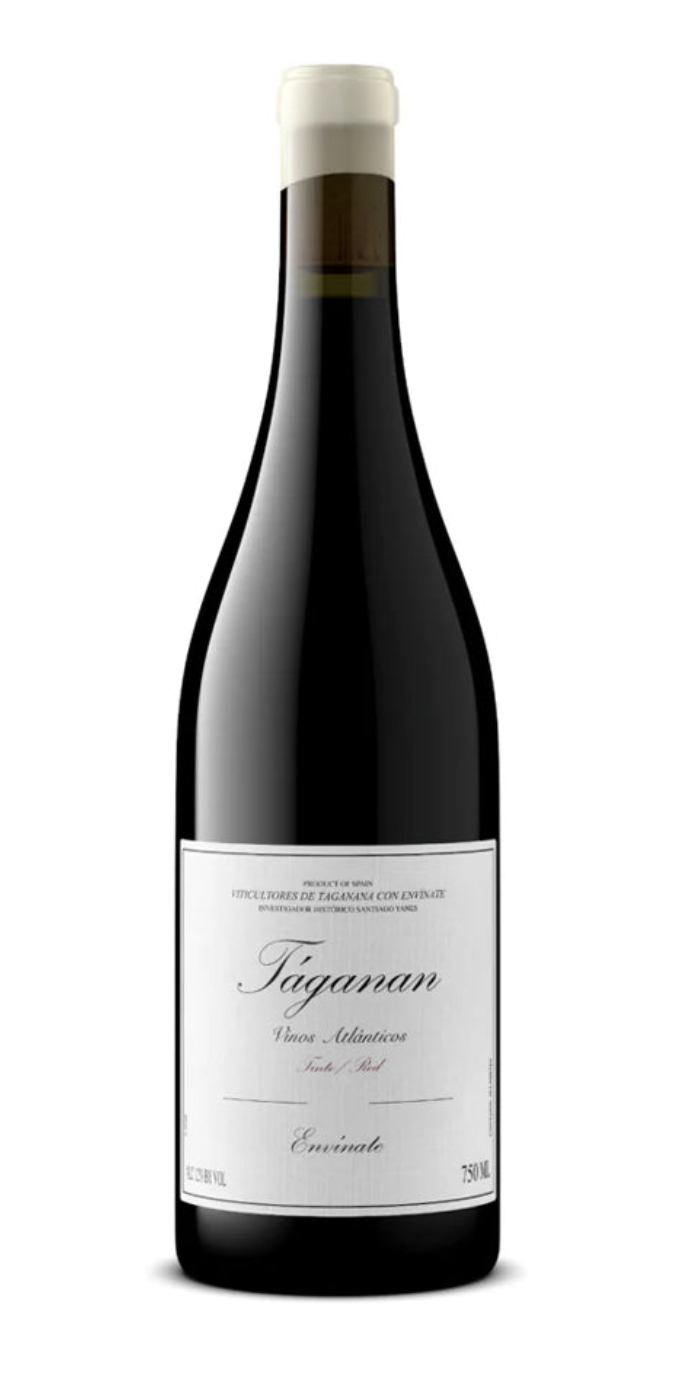
Envínate "Táganan" Tinto Tenerife Canary Islands, ‘24 $115
-
This is Envínate's red field blend from Taganana, northeast Tenerife. Luis Gutiérrez (Wine Advocate) notes a step up in precision. Much lighter than the 2023 vintage, but what it loses in weight it gains in clarity. The warmer, drier vintage and shorter maceration show through. Less reductive than previous vintages, clean and floral, medium-bodied with grainy tannins. Neat fruit core built around nordic berries and sour cherries, with a thread of smoke, flowers, and that flinty island edge. Medium-bodied yet tight and precise. Certainly approachable in its youth, but it will reward patience. If you can hang onto it for a few years, this wine will really come to life.
-
Envínate Táganan Tinto is a captivating red wine that showcases the expertise of its producer. Hailing from the volcanic soils of the Tenerife appellation, this wine is crafted from grapes grown in unique vineyard sites. The volcanic terroir imparts distinct characteristics to the wine, resulting in a truly exceptional taste. The winemaking process is carefully executed, allowing the grapes to express their full potential.
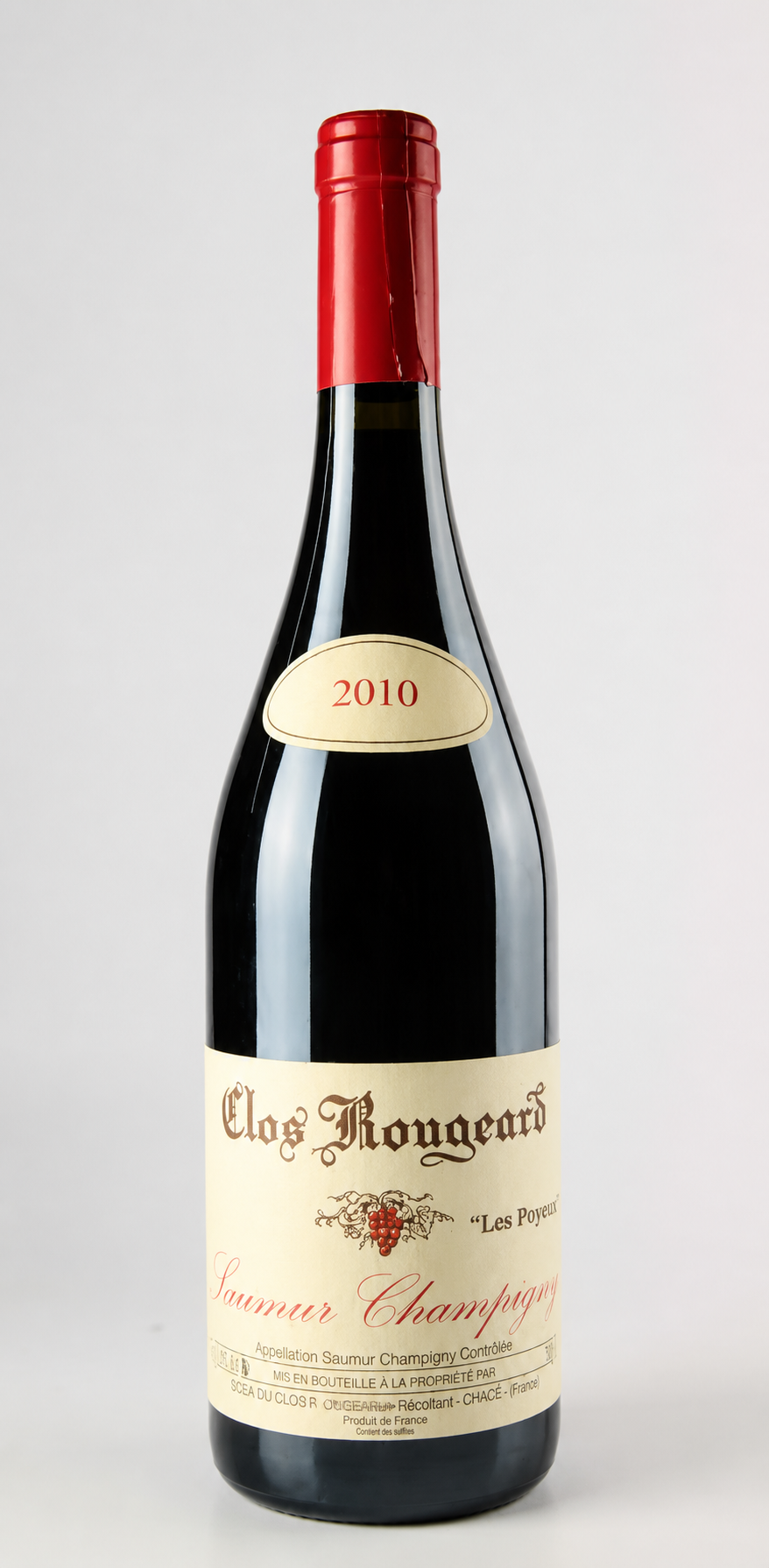
Clos Rougeard, Saumur-Champigny, ‘2010
-
100% Cabernet Franc
Bright and tart with red berry fruit (cherry, cranberry, strawberry), complemented by earthy undertones, leather, dried cherry, and a signature green tobacco or bell pepper complexity.
A firm, young structure with crunchy minerality, often described as having Pinot-like prettiness paired with a Barolo-like structure that benefits from extended aging
-
The Foucault brothers' base Saumur-Champigny is the wine that taught a generation what Cabernet Franc could be, and this 2010 is drinking beautifully. It's blended from parcels of fifty- to seventy-year-old vines across Chace, Varrains and Dampierre, fermented with native yeast in old cement vats and aged around two years in neutral barrels. Nady and Charly Foucault liked to say the only revolution at Clos Rougeard was that they never changed anything; Charly died in 2015 and the family sold the estate two years later, which makes bottles from their era a finite resource. 2010 was a fine, firmly structured Loire vintage for growers who kept yields down, and at sixteen years the wine has settled into savory, mineral maturity while holding its frame. A well-cellared older bottle, ready now.
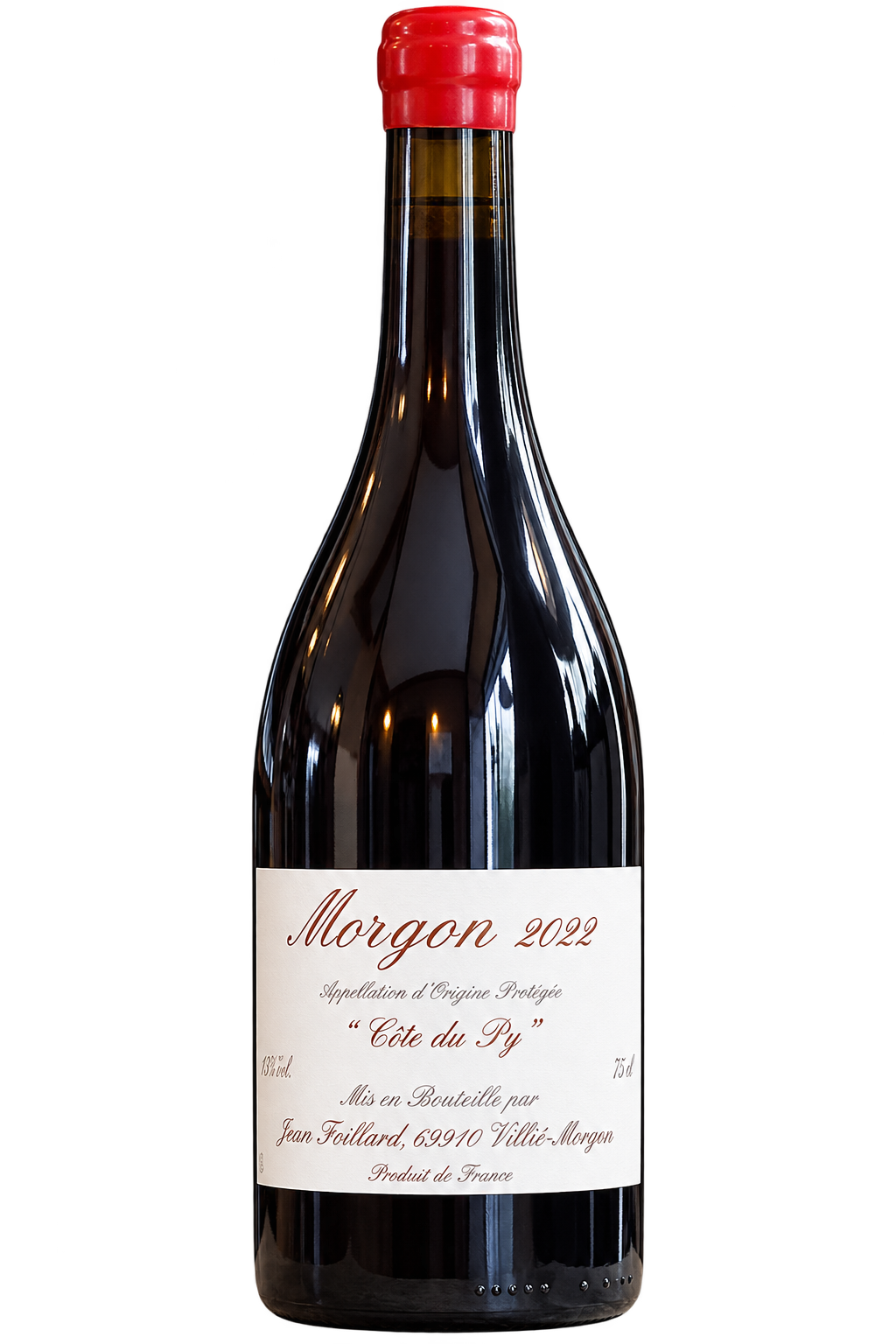
Jean Foillard Morgon Côte du Py ‘22 $140
-
The palate is medium-bodied with fine tannins, a little sturdier than the Cuvée Corcelette. There’s fine grip toward the finish with a persistent peppery aftertaste
-
Jean Foillard's 2022 Côte du Puy showcases all the nuisances of fine Beaujolais. Farmed from vineyards with vines up to 90 years old grown on a mix of schist and granite, this wine exhibits a pronounced mineral quality with a mix of silky red fruit and citrus tones. It is a wine that can be enjoyed young, but reveals much of its floral and spice tones with some age. This thought-provoking red will be an answer to those to question just how incredible Gamay can be.